What is Thalassaemia?
Thalassaemia is a serious inherited blood disorder that affects the production of hemoglobin—the oxygen-carrying protein in red blood cells. This results in severe anemia and various health complications. Patients with Thalassaemia Major often require regular blood transfusions for survival.
Thalassaemia is an inherited blood disorder caused when the body doesn’t make enough hemoglobin, an essential protein in red blood cells. This results in fewer and shorter-lived red blood cells, leading to anemia. Red blood cells carry oxygen to all the cells in the body. Insufficient oxygen causes tiredness, weakness, and shortness of breath.
Without proper treatment, it can lead to organ damage, bone deformities, and growth problems. At TPWS, we aim to improve quality of life by providing free medical care and promoting awareness to help prevent the transmission of this life-threatening disease.
Types of Thalassaemia
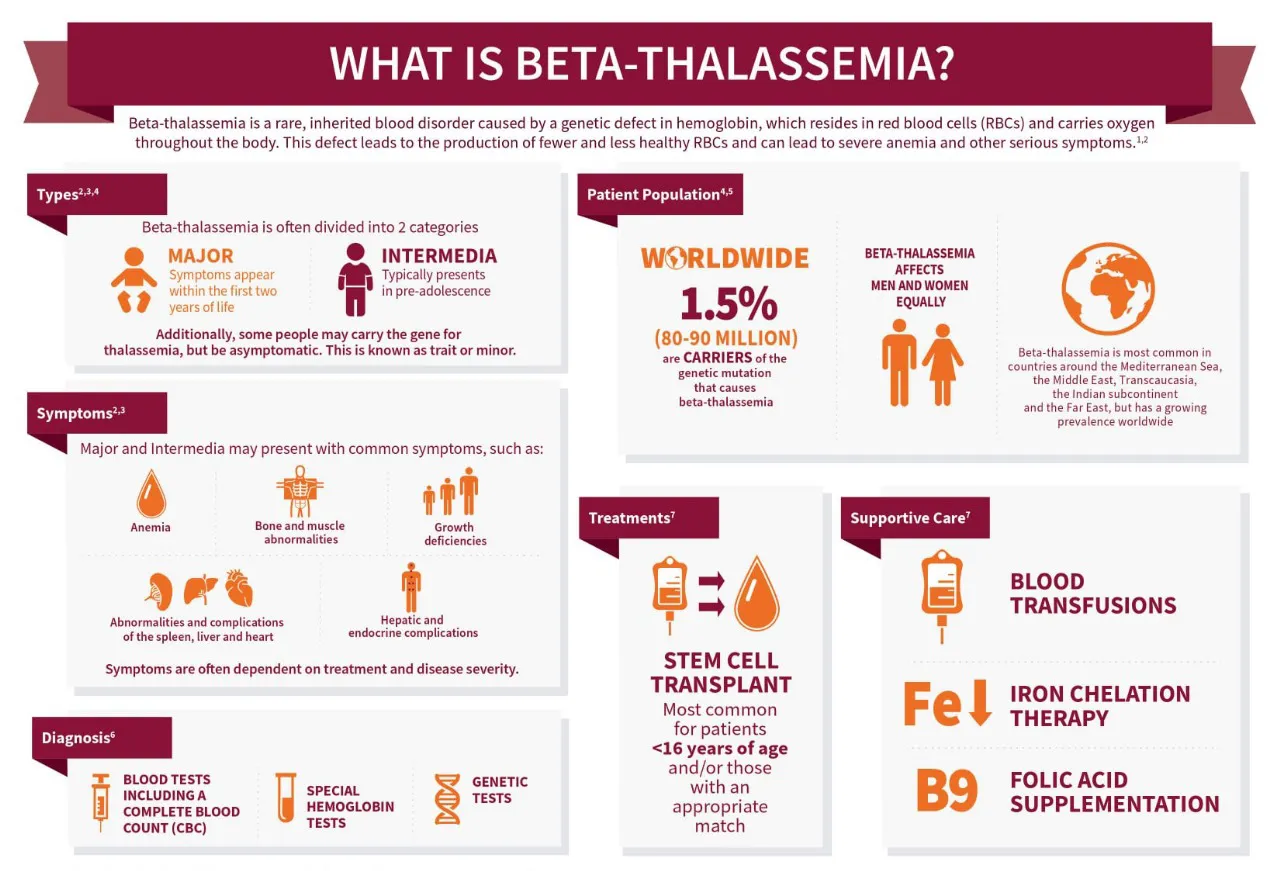
Thalassaemia is categorized by which part of hemoglobin is affected (alpha or beta) and the severity (trait, minor, intermedia, or major):
• Alpha Thalassaemia: Low production of alpha globin.
Occurs when genes related to the alpha globin protein are missing or mutated.
• Beta Thalassaemia: Low production of beta globin. Includes:
- • Minor/Trait: Usually no or mild symptoms. Individuals are healthy carriers but can pass the mutated gene to their offspring.
- • Intermedia: Moderate symptoms; occasional transfusions required during infections, fever, or physical stress.
- • Major (Cooley’s Anemia): Severe symptoms; lifelong transfusions required every 15–21 days along with daily iron chelation medicine.
How Do I Know If I Have Thalassaemia?
People with moderate or severe thalassaemia often show symptoms in childhood. Milder forms might be detected during routine blood tests or due to mild anemia symptoms.
Risk is higher if family history exists or ancestry is from high-risk regions (e.g., Pakistan).
Symptoms and Diagnosis
Recognized Symptoms:
- • Dizziness, fatigue, shortness of breath, headache
- • Pale skin, leg cramps, fast heartbeat
- • Bone marrow expansion may cause bone deformities
- • Enlarged spleen affects immunity
Treatment Options
Treatment depends on severity and includes:
- • Blood Transfusions: For severe anemia, especially in thalassaemia major, providing regular healthy red blood cells to sustain vital organ functions.
- • Folic Acid Supplements: Aid in red blood cell development.
- • Iron Chelation Therapy: Removes excess iron caused by transfusions, preventing severe damage to the heart and liver.
- • Bone Marrow/Stem Cell Transplant: Potential cure for some patients when performed with an HLA-compatible donor.
Blood Transfusions and Risks
Frequent transfusions may cause iron overload, damaging organs like the heart and liver. Chelation therapy helps remove this iron.
Alloimmunization: An immune reaction to transfused blood can complicate future transfusions.
Blood is screened for infections (e.g., hepatitis), but a very small risk remains. Extra vaccinations are recommended due to compromised immunity.